

I’ve got beef with the term "launch."
I don’t know who first coined this term, but it was born in the online business era. A launch has never appeared in any marketing textbooks. Launch is a verb. We launch campaigns, offers, and brands.
Running a ‘launch’ is murdering the English language.
Marketing campaigns build brands and foster audience affinity; the coveted emotional buy-in that makes them more likely to buy what you’re selling.
When we launch a campaign or new product, it's a high-stakes operation. You only get one chance to launch a new product, service, or brand for the first time. That means going big. And when the stakes are high, the effort should match—strategic, creative, carefully planned, with a smart mix of channels and a budget to back it up.
If you’re not prepared to build momentum and make a statement, you’re not launching, you’re soft launching, which is really just code for “I’m scared to go all in.”

Launching is about creating momentum. If you treat it like an afterthought (read: slap it together or use a generic "steal my launch strategy" framework from an online business guru) you’ll get afterthought results.
Why Online Launches Fail
Most online launches flop. Not because your offer isn’t good. But because:
- You didn’t give yourself enough time
- You didn’t allocate enough budget
- You followed a boring, predictable plan (hello: 3-day challenge, free masterclass, 20-email sequence with an unsubscribe button that’s MIA, countdown timers, and bonuses with a hugely inflated value)
- You have a visibility problem. Either no audience, or an audience that’s disengaged
If you're not investing in building and nurturing your audience between launches, you’re gambling on hope. Hope is not a winning marketing strategy. Regular, intentional audience connection is what turns launch flops into campaign wins. You have to give people a reason to care about your brand, and genuine connection is the price of admission.
The Difference Between a Launch and a Marketing Campaign
A launch isn’t a campaign.
A “launch” is an event. A short-term, high-energy push to open the doors for a course, membership, or new offer. It’s got urgency, scarcity, and hype. It’s designed to generate a flash flood of sales.
A marketing campaign is a strategy. It’s a coordinated effort designed to achieve a specific goal (brand awareness, lead generation, or sales) over a defined period.
Launches are transactional. Campaigns are relational.
A launch might bring people to the door. But a great campaign makes them excited to walk through it, not just panicked by your countdown timer.
Why You Should Take the Campaign Approach
Campaigns are successful because they are laser-focused on one objective. That’s the cardinal rule with marketing campaigns: one campaign, one objective. If you try to build your email list, make sales, and increase your Instagram following by 5,000 with one campaign, it’s not going to work. Pick one objective. Kill your darlings.
Marketing campaigns are considered, cohesive, focused sprints of activity. They aren’t lazy or disjointed. They’re the antidote to the scattergun ‘always-on’ marketing approach that burns entrepreneurs out and doesn’t move the needle.
Campaigns require a lot of planning, strategy, and creative work in a short burst. They work because they do one job well. And then? You rest, regroup, and plan your next move.
And if you need a little proof? Look at the Marketing Circle campaign video. We didn’t soft launch—we built momentum, made noise, and delivered a powerful launch that cut through. Why? Because the campaign was strong.
You Need an Audience
Here’s a tough pill to swallow: if you don’t have an audience, you shouldn’t be launching. Before you sell, you need people to sell to.
Here’s the running order of campaigns:
- Brand Awareness Campaign – build your audience
- Lead Generation Campaign – grow your list with qualified, warm leads
- Sales Campaign – launch your new offer
This takes a minimum of three months. But it works. Trying to skip ahead means missing the steps that build trust, familiarity, and readiness to buy.
How to Plan Your Marketing Campaign to Launch a New Product or Offer
- Decide on your campaign objective. What is the ONE thing this campaign needs to do?
- Set your budget. What can you reasonably invest?
- Cook up your 'big idea'. What is the simple, compelling concept that makes your campaign memorable? This becomes your message across all channels.
- Choose your channels. Don’t rely on just social media. Use a smart mix of owned, earned, paid and borrowed channels:
- Owned (email list, website, blog)
- Earned (referrals, PR, word of mouth, guest blogging or podcasting)
- Paid (Meta and Google ads, sponsorships, radio)
- Borrowed (social media channels and social media communities like Facebook groups)
Relying solely on social media for your campaign is a risky strategy. You’re at the mercy of the algorithms, so diversify your channel mix to appear across as many customer touchpoints as possible.
A smart mix of channels lets you do more with less and punch above your weight. Paid gets you reach, owned builds relationships, borrowed cultivates community, and earned gives you credibility. In each campaign you launch, balance a mix of all of them.
Campaign Examples
E.L.F. Cosmetics TikTok Challenge
In 2018, E.L.F.’s sales flatlined. In 2019, they launched a TikTok campaign to drive sales growth with a Gen Z audience, who are notoriously marketing averse. At the time, they were a small brand in an increasingly crowded market and had a bootstrap budget compared to big-name industry competitors.
Music is the driver of vitality on TikTok, so instead of licensing a song, the band commissioned an original track for a TikTok challenge that Gen Z actually wanted to dance to and educated consumers that E.L.F. stands for eyes. lips. face. Two birds, one stone. The challenge resulted in 5 million user generated videos, the most ever seen in a TikTok brand campaign.
The campaign smashed records by amassing 7 billion views and cemented itself as the most viral US campaign in TikTok history. The song was such a success that the brand released it on Spotify and Apple Music, generating 30 million music streams outside of TikTok. Fans asked for a music video which E.L.F. delivered, and the media went wild. Celebrities like Lizzo, Terry Crews, and Reese Witherspoon participated in the trend completely unsolicited, which fanned momentum. This campaign is a shining example of understanding what your audience actually wants to see, rather than interrupting their scroll.
Bridgerton Season 3
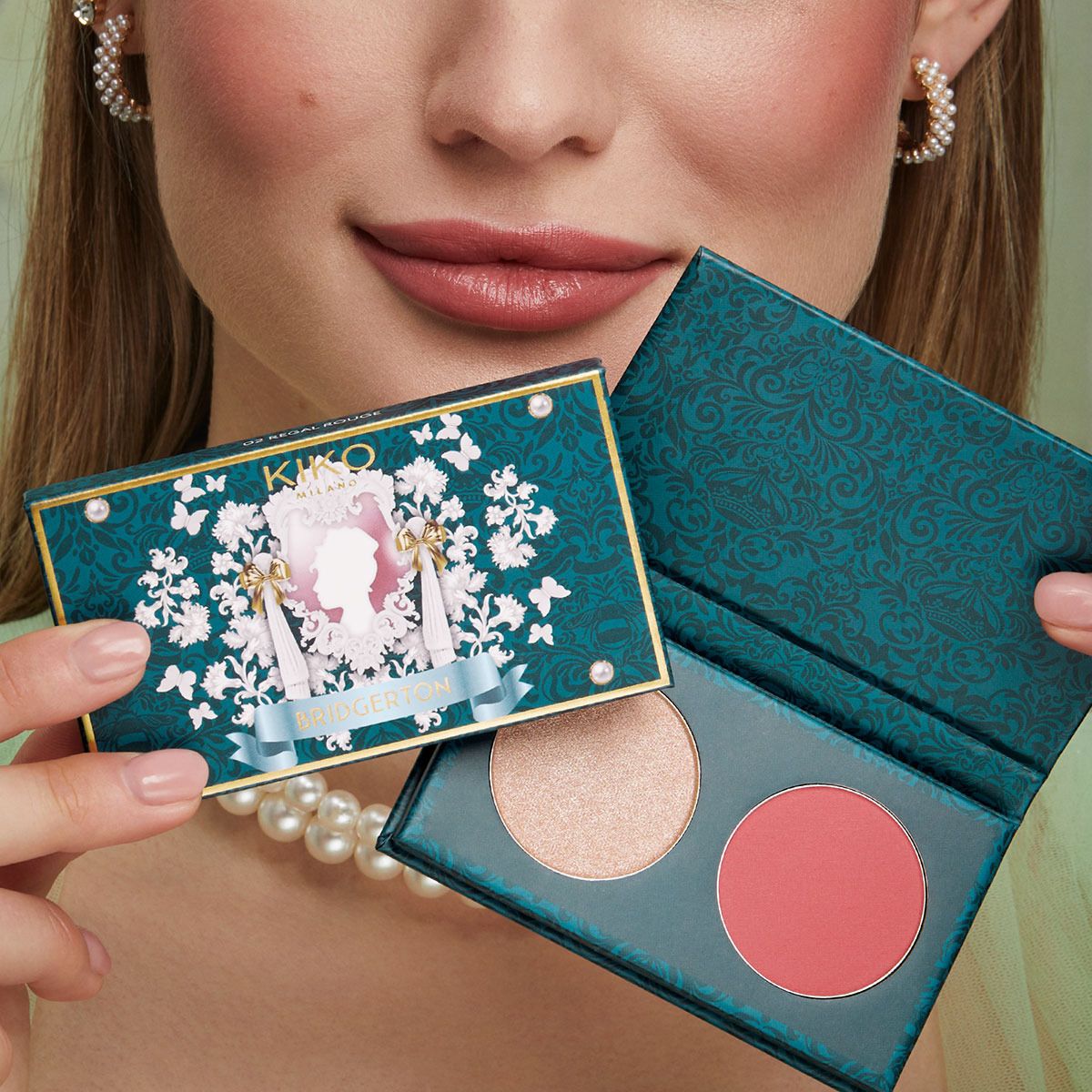
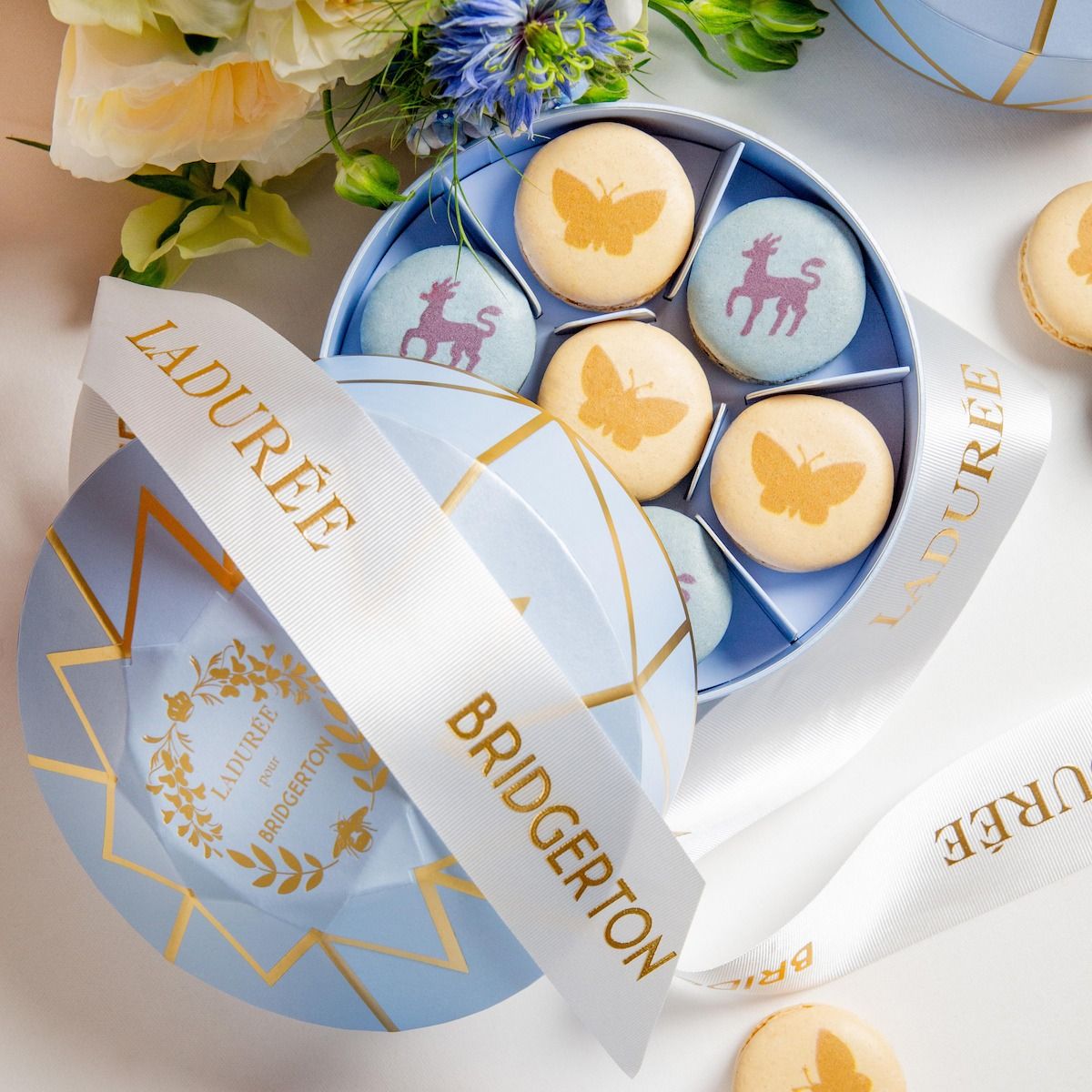
Bridgerton has become a cultural phenomenon (kudos Shonda Rhimes) with its Regency-era romanticism, opulent visuals, and contemporary sensibilities. In the lead up to the season 3 launch, Bridgerton was everywhere. Social media was saturated with speculative plot arcs and teasers; Netflix collaborated with brands like Ruggable and Williams Sonoma to release Bridgerton themed products to extend the show’s influence into fashion and beauty markets; and they went all in on immersive experiences and activations like Regency era tea parties and The Queen’s Ball to make audiences feel like they were in the Bridgerton universe.
When season 3 landed on Netflix, it was released in two parts for the first time. Part one premiered on May 16, and part two followed on June 13. This isn’t the first time Netflix has drip fed us episodes; it’s straight out of their marketing playbook for their most popular shows like Stranger Things and The Crown. It’s a smart strategy to keep viewers invested and subscribed to Netflix.

Marketing Circle by Campaign Del Mar
When we launched the Marketing Circle membership, we ran a proper campaign, not a half-hearted online launch. This was a high-concept, creative small business campaign with a modest budget of under $10,000.
At the time, the membership didn’t even exist. So we leaned into metaphor and creativity, using a yacht as a visual analogy for the journey ahead—navigating stormy marketing seas with Campaign Del Mar as your guide. The hero video followed a protagonist dreaming of what life would be like inside the membership: walking meetings with Mia, Netflix-style dashboards, and smooth sailing.
The entire brand experience was visually striking, deeply differentiated, and oozing with personality. We used puns like “chart your course” and “set sail with us” to reinforce the sailing theme, and continued this vibe through teasers, sales page design, and cut-downs of the hero video.
It resonated. 27 members signed up for a $600/month offer with a six-month commitment—an incredible result for a brand-new membership.
Sure Deodorant: No More F.O.B.O Campaign
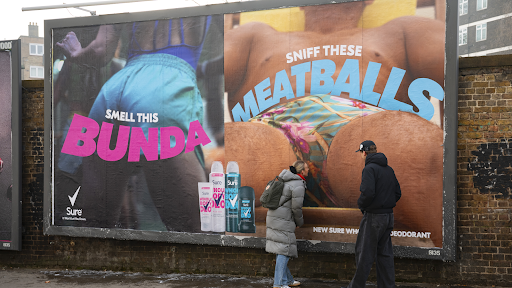
Sure (a UK deodorant brand) is running a multichannel campaign called F.O.B.O (fear of body odour) and has created this giant sniffable billboard for consumers to get a whiff of the product scents. The 48-sheet poster is designed to stop passersby in their tracks and sniff the models ‘naughty bits’. The billboard will be live for one day only, and reactions will be captured for use in a social media campaign.
This is an exceptional example of an edgy out-of-home activation.
RxBar
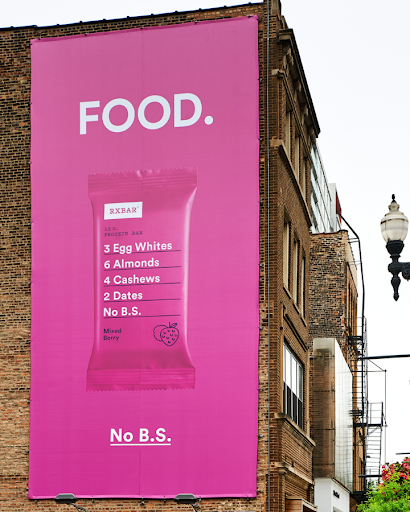
RxBar went from a startup to multi-million dollar company in five years. In the protein bar industry, packaging and ingredient lists are cluttered and lacking differentiation. RxBar cut through the noise with minimalist design, tongue-in-cheek humour that states the obvious, and a memorable slogan that targets a customer pain point: “No B.S.”
In a marketplace laden with exaggerated claims, RxBar stands out by letting the ingredient list take centre stage; putting the power back into the consumer’s hands to choose products that align with their lifestyle. Their brand strategy leads with honesty and transparency. Hold the B.S., please.
Escape to Wellington
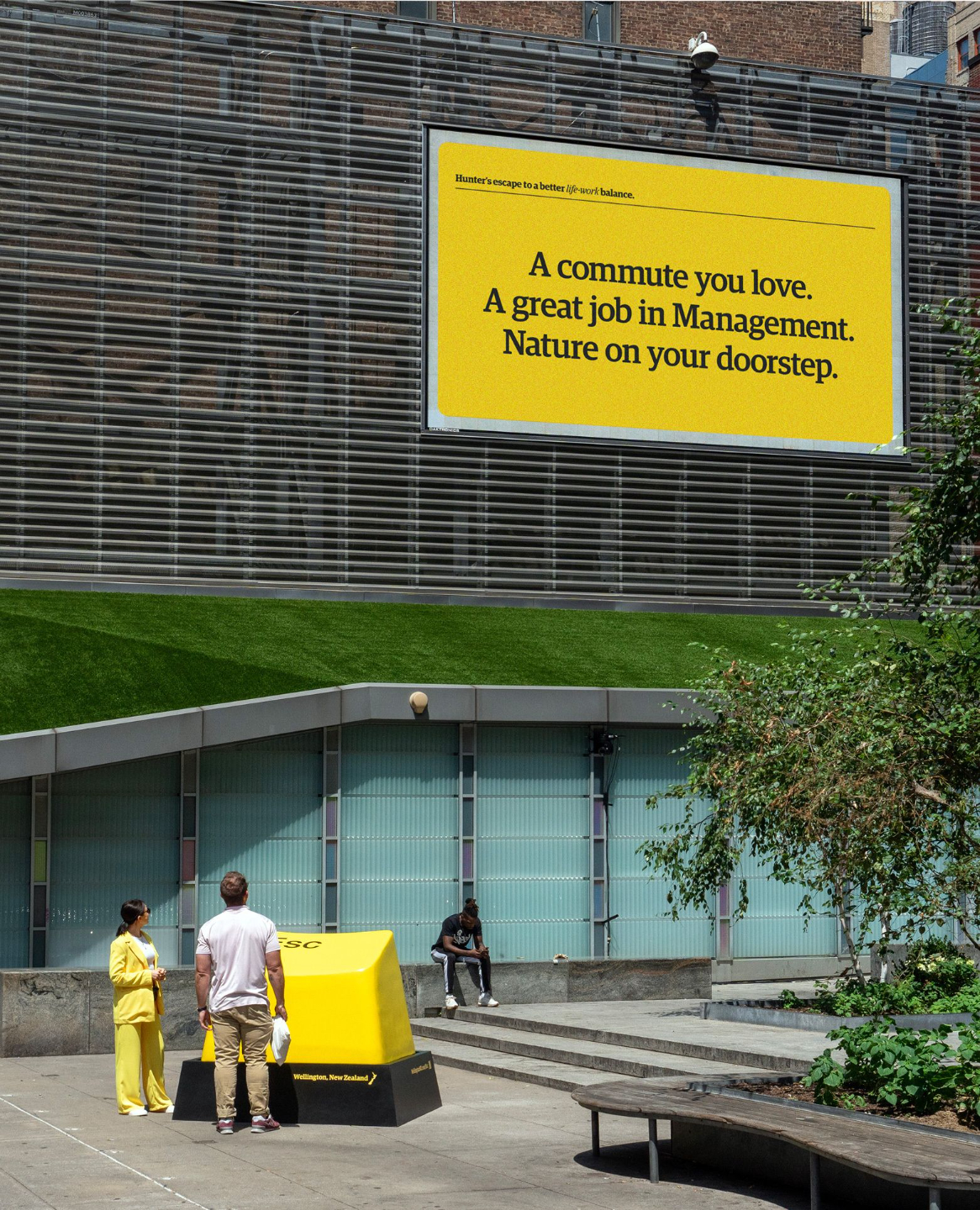
Facing a professional skills shortage, Wellington New Zealand wanted to attract more talent to spur local growth. Building off the insight that Wellington offers a less stressful life-work balance than New York or London, the audience was invited to Escape to Wellington. Capturing attention in NYC is no small feat, so they custom-built a giant yellow “esc” key in the middle of Manhattan and invited curious passersby to click and discover real job vacancies in Wellington matched to their profession.
This activation was the heart of the campaign, and supported PR and social efforts targeting US and UK talent. The campaign was a hit, and saw over 1,000 EOIs submitted to make the move to Wellington.
Your launch needs (and deserves) more than a faux countdown and a string of bonus emails. Plan it like a campaign. Get strategic. And give your audience a reason to care, before you ask them to buy.
Free Marketing Calendar
Want to start planning your launch campaign? Get a copy of Mia's Marketing Calendar to plan your marketing efforts for 12 months.
If you’re planning to launch something new, don’t gamble on hope and plug-and-play templates. A strategic marketing campaign helps you build momentum, make an impact, and convert with confidence. Inside Marketing Circle, we teach you how to plan and execute powerful campaigns that do the heavy lifting for your business.
LEARN HOW TO LAUNCH